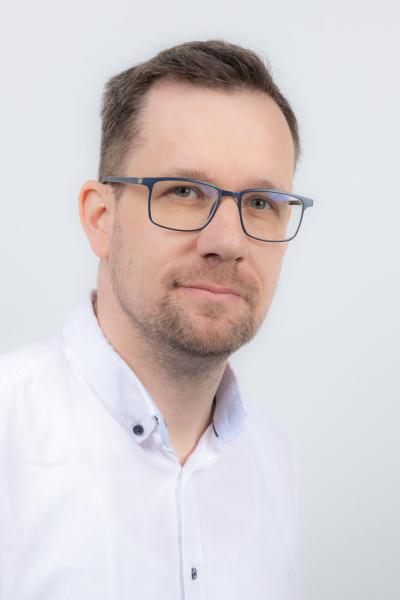
| Balázs Venkovits (project lead), Institute of English and American Studies, University of Debrecen |
|---|
|
Balázs Venkovits is associate professor at the North American Department of the Institute of English and American Studies. He is the director of the institute, the Canadian Studies Centre, and the Center for International Migration Studies. He earned his degree from the University of Debrecen in 2007, was awarded a Ph.D. in 2014 and completed his habilitation in 2021. His academic interests include travel writing and migration studies with a special focus on Hungarian immigration to Canada in the 1920s. He is responsible for managing the Mapping Hungarian Montreal project, conducting interviews, research, and the implementation of this website and interactive map. |
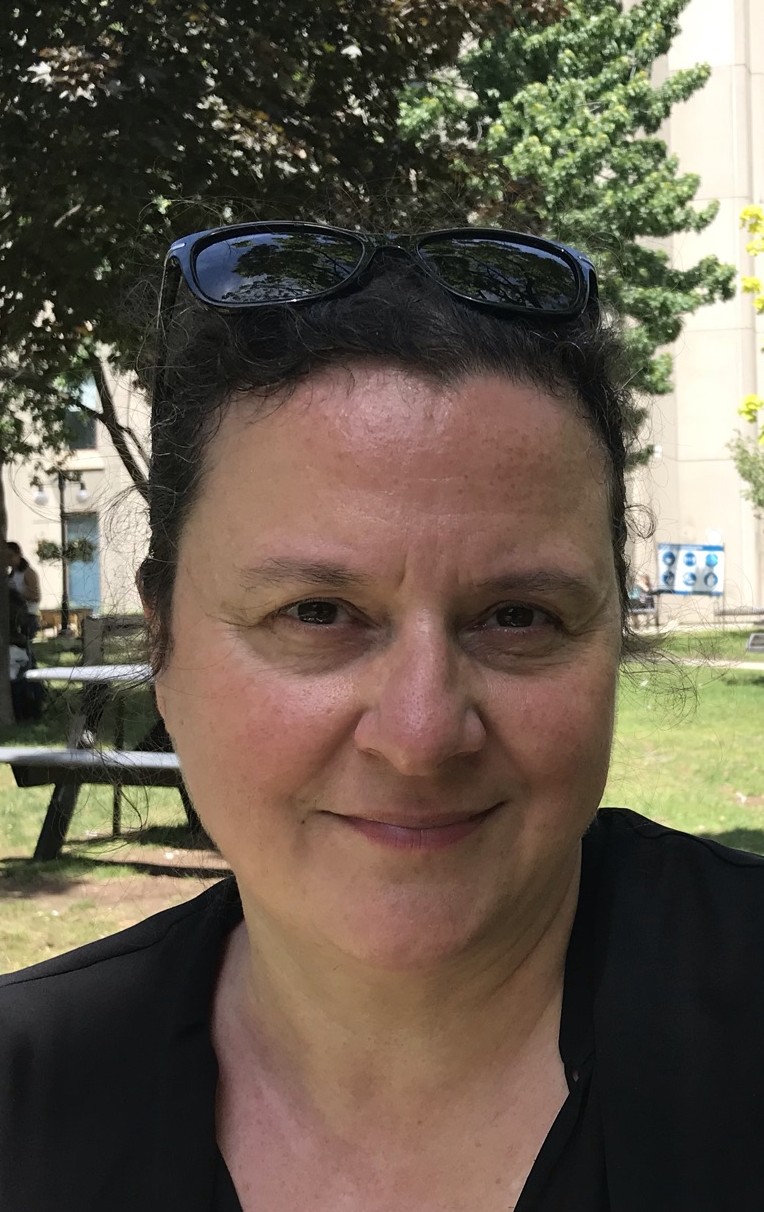
| Sonya Di Sclafani (project coordinator in Montreal), COHDS, Concordia University |
|---|
|
Sonya Di Sclafani (Archives Coordinator) earned a BA degree in History (honors) with a minor in English Literature, she is pursuing an MA in History at Concordia. She had completed a BA degree at Concordia in Photography and Art History and a diploma in Interior Design at Dawson College. She is interested in immigration and cross-cultural experiences, East European and Jewish history, especially as learned through oral history and community engagement. Her research is centered on the Montreal Hungarian diaspora and women’s experiences of cultural identity through foodways, interviewing women of Hungarian background and key members of the community with a focus on food as a means of cultural continuity and disruption. In the project she is primarily working on the posts about Hungarian restaurants and cafés. |
|
Villő Fülöp (community coordinator), Consulate General of Hungary in Montreal |
|---|
|
|
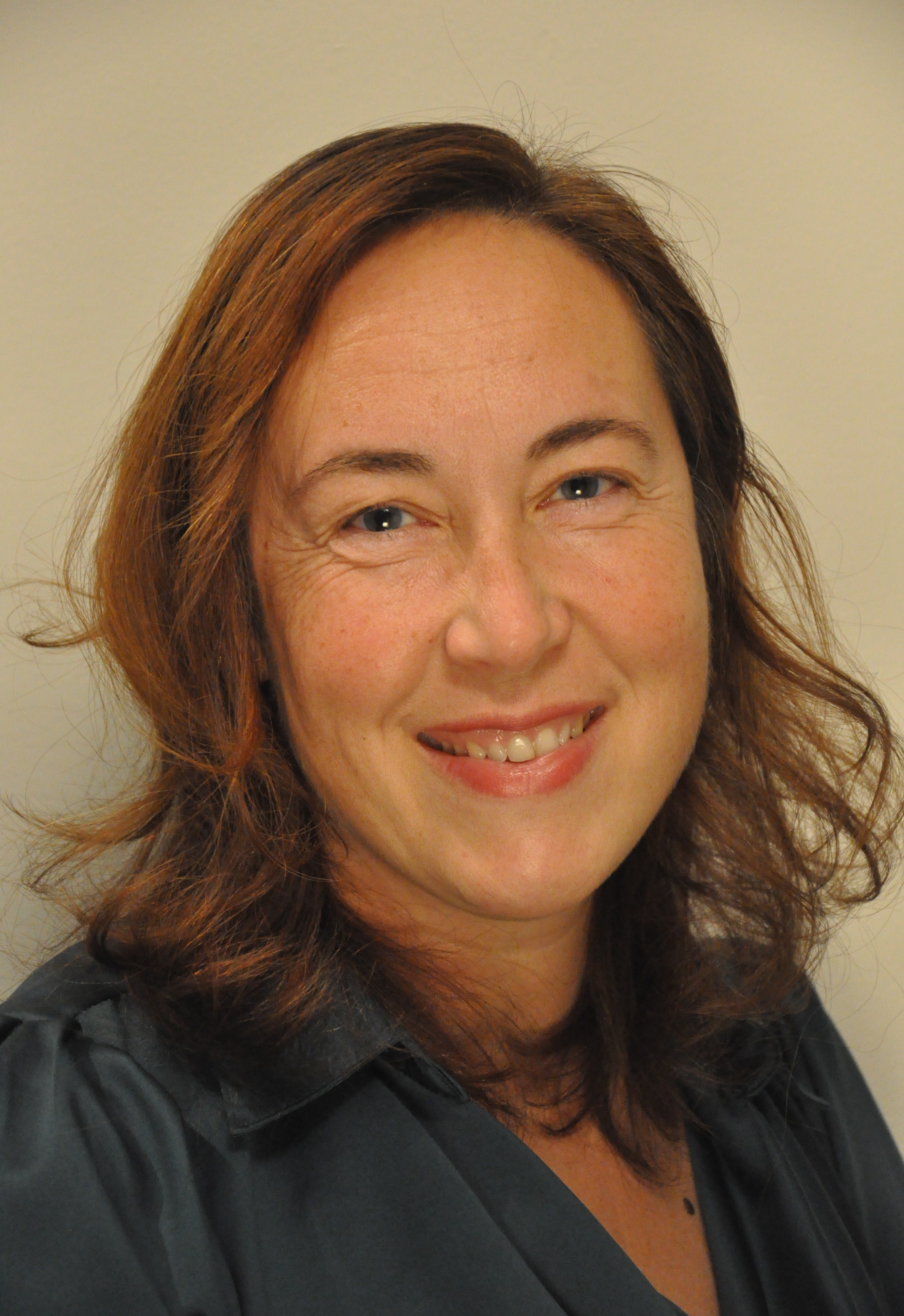 Villő Fülöp is a career diplomat, currently serving as diaspora liaison officer at the General Consulate of Hungary in Montreal since 2022. She contributed to this project with her knowledge on the Hungarian Diaspora in Montreal, by introducing key members of the community to researchers, organizing interviews and events, supporting the other members of the project in their research activities.
| Éva Huszti (lead coordinator for social science research), Institute of Political Studies and Sociology, UD |
|---|
|
Éva Huszti is associate professor at the University of Debrecen, Faculty of Humanities, Institute of Political Studies and Sociology, Department of Sociology and Social Policy. As a sociologist and social worker, her main research areas focus on social networks, social relations, social capital, the social integration process, quality of life, and research methodology. In the project she is responsible for the coordination of social science research (quantitative and qualitative research projects). |
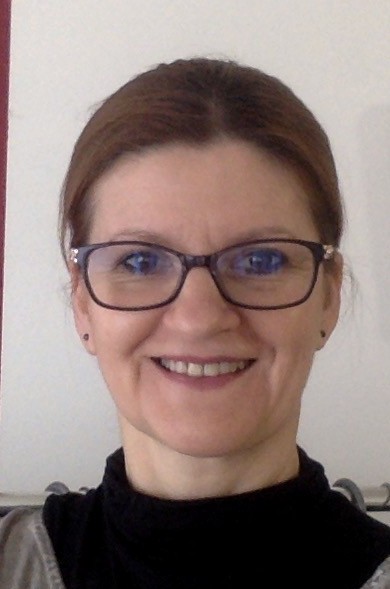
| Eszter Tárnokné Patócs (digital specialist), Institute of English and American Studies, UD |
|---|
|
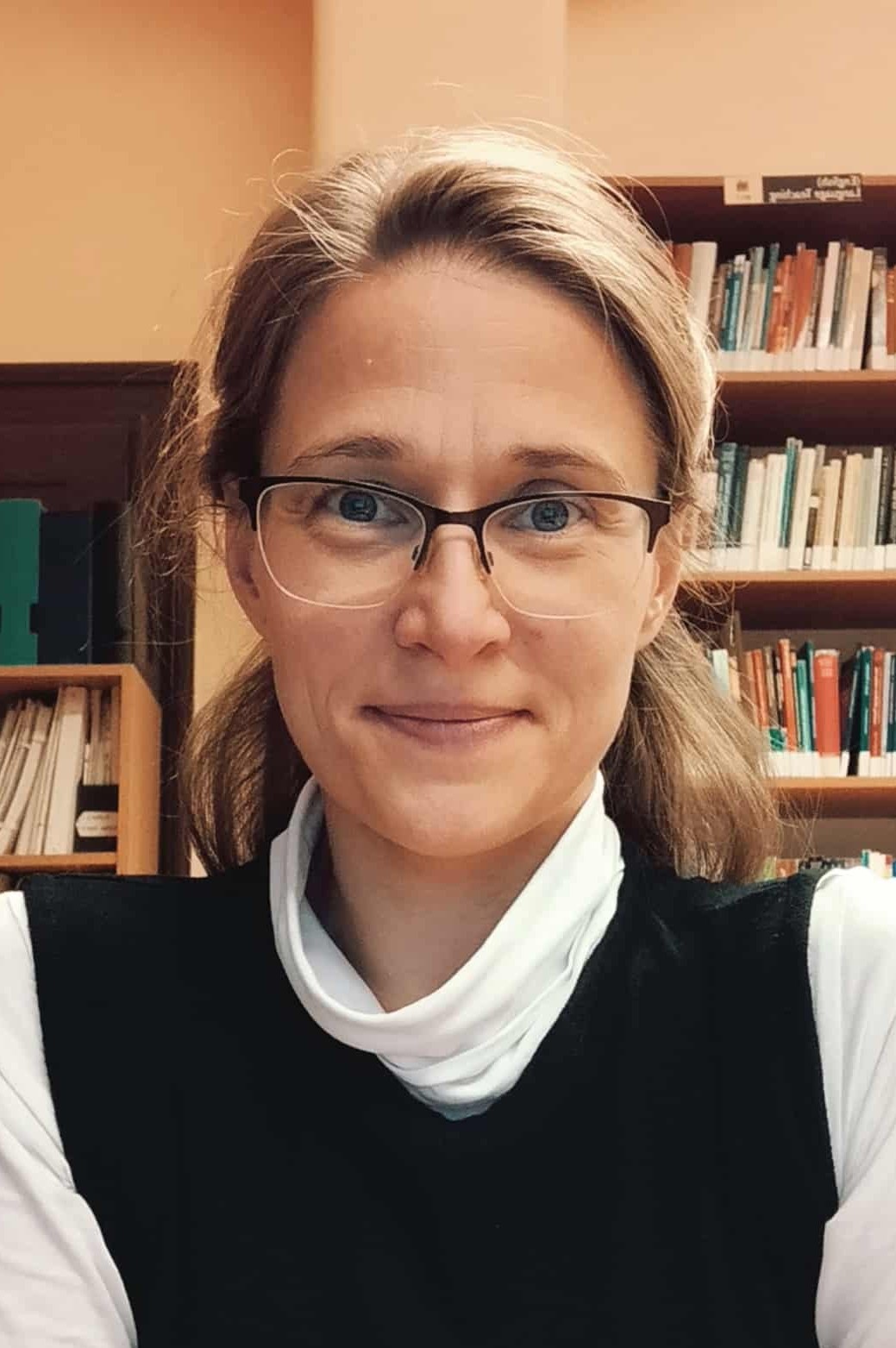
Eszter Tárnokné Patócs is the head librarian of the Institute of English and American Studies. She focuses primarily on the digitization, archiving, and organization of documents. Her responsibilities included ensuring the long-term storage and accessibility of digital records. Additionally, as a librarian, Eszter applied her professional expertise to help structure and manage information efficiently. Her work contributed to the smooth operation of the project’s archiving processes. |
| Gergely Tamás FAZAKAS (Institute of Hungarian Literary and Cultural Studies, University of Debrecen) |
|---|
|
Gergely Tamás Fazakas is associate professor (PhD 2009, dr. habil. 2018) and Head of Department at the Institute of Hungarian Literary and Cultural Studies. His research interest includes memory studies, religious and national identities, rhetorical and anthropological issues in early modern literature. He held several international grants and scholarships for research in Britain, Austria, Poland, Italy, and Romania. As a former member of the Committee for the Remembrance of Reformation in Hungary (2014–2017) and currently (since 2021) the Vice Lay President of the Transtibiscan Church District of the Reformed Church in Hungary, he is also working on research and social projects related to cultural memory. Here he mostly contributes to publications on the Hungarian United Church and its founding minister Mihaly Feher. |
Contributors
| Zsolt Máté, University of Pécs |
|---|
|
|
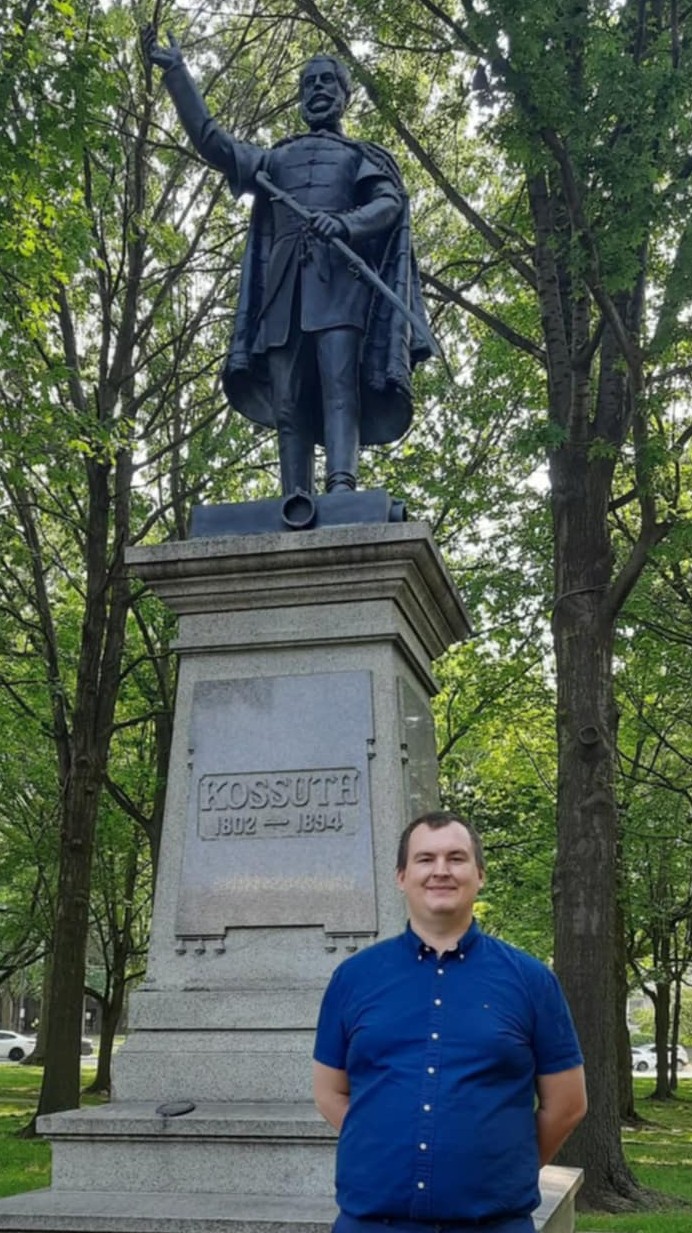 Zsolt Máté is a Pro Scientia gold medalist, two times National Scienific Student Conference (OTDK) winner PhD-student of the University of Pécs. His dissertation focuses on the US, Canadian, and Australian government reactions to the 1956 Hungarian revolution and refugee crisis. He presented at conferences in Hungary, the United States, Canada and France. He has published a Hungarian-German bilingual popular science oral-history book about the 1956 Hungarian refugees in Graz as well as various book reviews or articles. In this project he contributed to posts about organizations related to the reception of Hungarian refugees in 1956.
| Sean Remz, Department of Religions and Cultures, Concordia University |
|---|
|
|
 Sean Remz is a PhD student in the Department of Religions and Cultures at Concordia University who specializes in Canadian Jewish Studies. His dissertation addresses histories / ethnographies of Jews of Hungarian and borderland origin in Greater Montreal, particularly the discursive and commemorative meanings that their different subgroups ascribe to their Hungarianness. This follows from his final research paper for his MA, which concerns the Hungarian Martyrs Synagogue led by the esteemed late Rabbi Miklós Schnurmacher, especially its Holocaust commemoration and expressions of Hungarian cultural practices. In this project, Sean contributed to posts about the Hungarian Jewish Community in Montreal.
Student contributors
| Dorka Sára Dancs (Institute of English and American Studies/French Studies Department, UD) |
|---|
|
Dorka Sára Dancs is a teacher training student majoring in English and French at the University of Debrecen. In this project, she is conducting research on the history of the Hungarian women's organizations in Montreal.
|
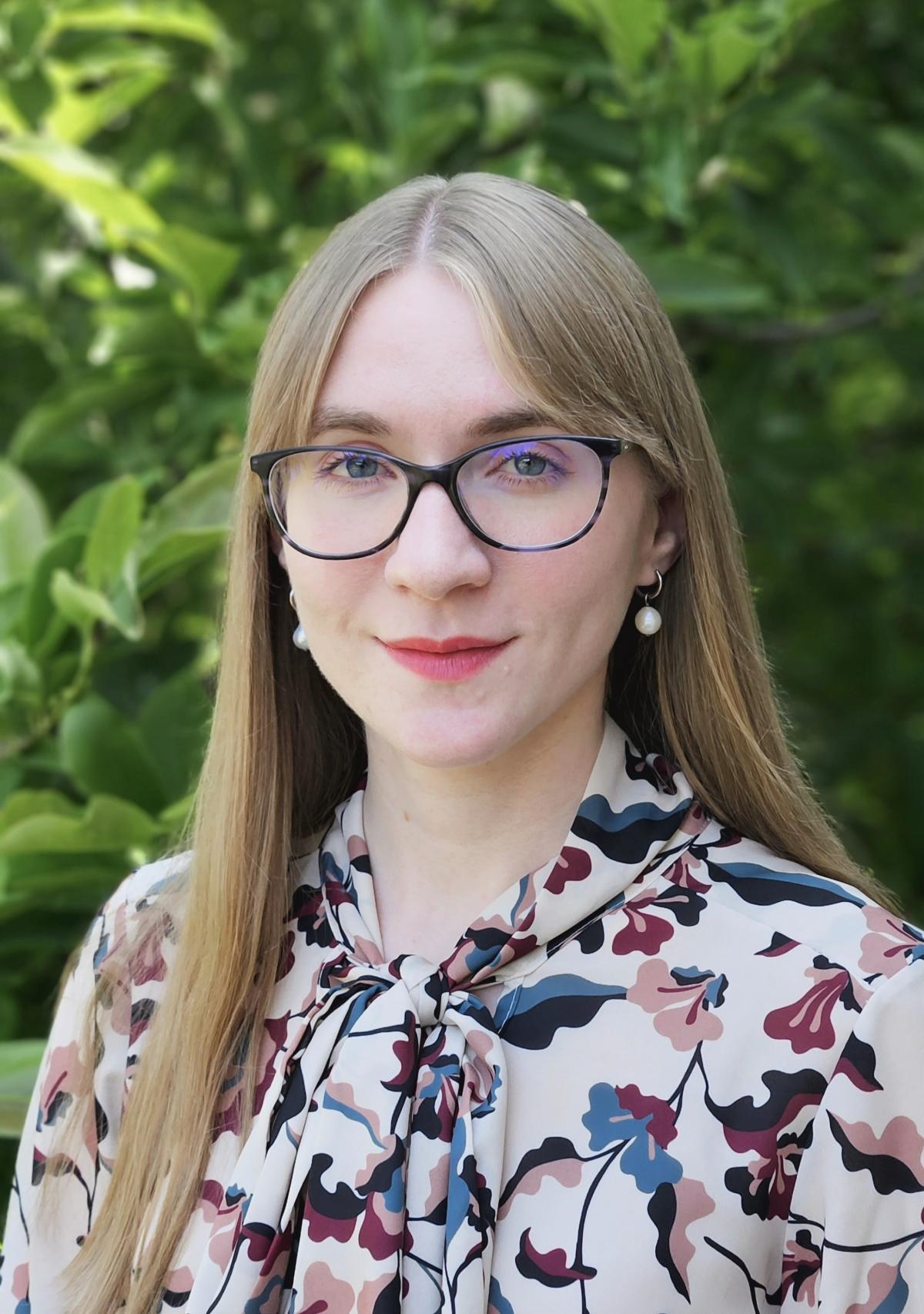
| Boglárka Csáki (Institute of Political Science and Sociology, UD) |
|---|
|
Boglárka Csáki is a master’s student in sociology at the Department of Sociology and Social Policy, Institute of Political Science and Sociology, Faculty of Humanities, University of Debrecen. As part of a course examining Hungarian emigration to Canada, she conducted online interviews with first-, second-, and third-generation Hungarian Canadians. |
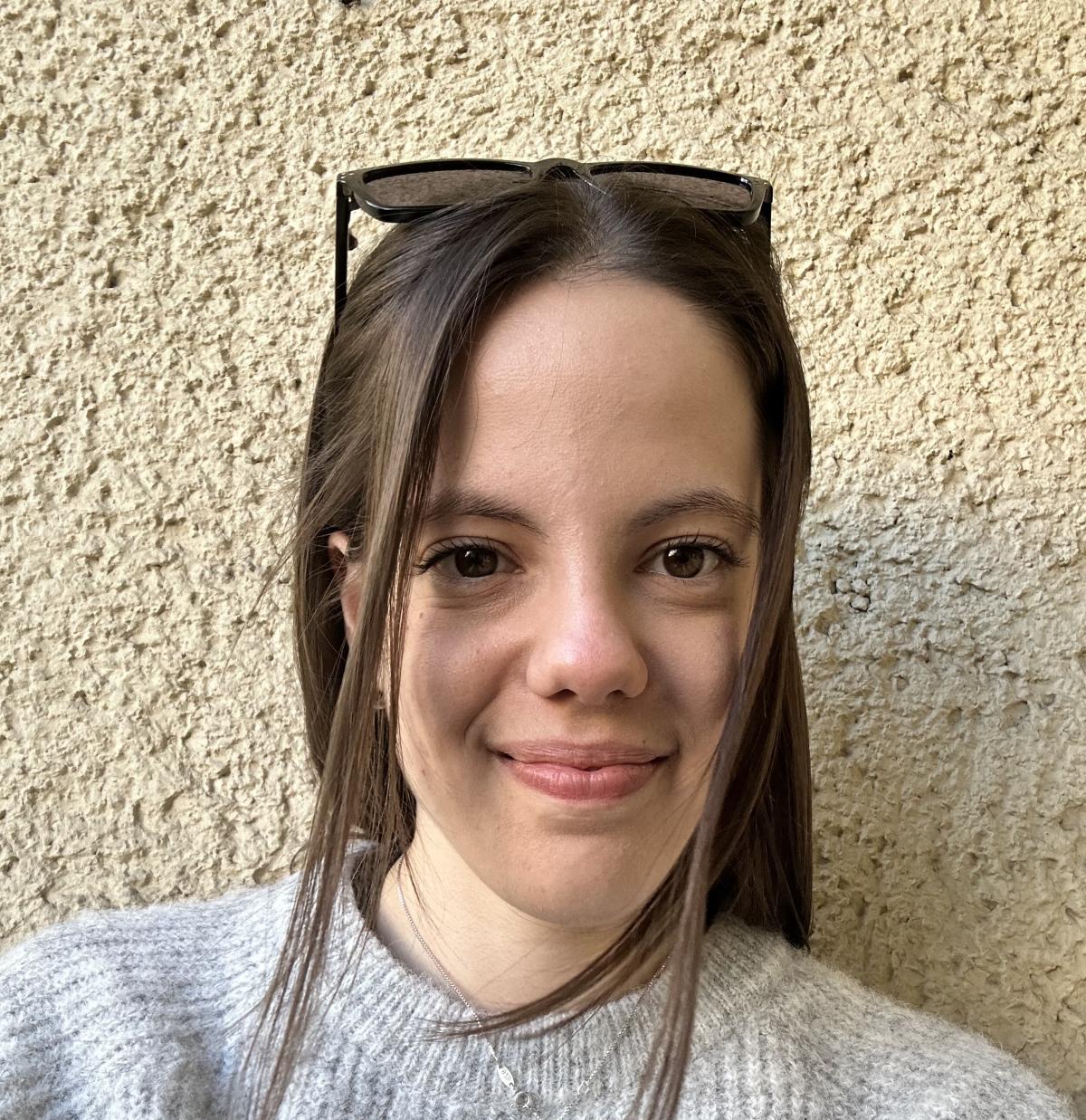
| Fanni Kriston (Institute of Political Science and Sociology, UD) |
|---|
|
Fanni Krison is a master’s student in sociology at the Department of Sociology and Social Policy, Institute of Political Science and Sociology, Faculty of Humanities, University of Debrecen. As part of a course examining Hungarian emigration to Canada, she conducted online interviews with first-, second-, and third-generation Hungarian Canadians. |
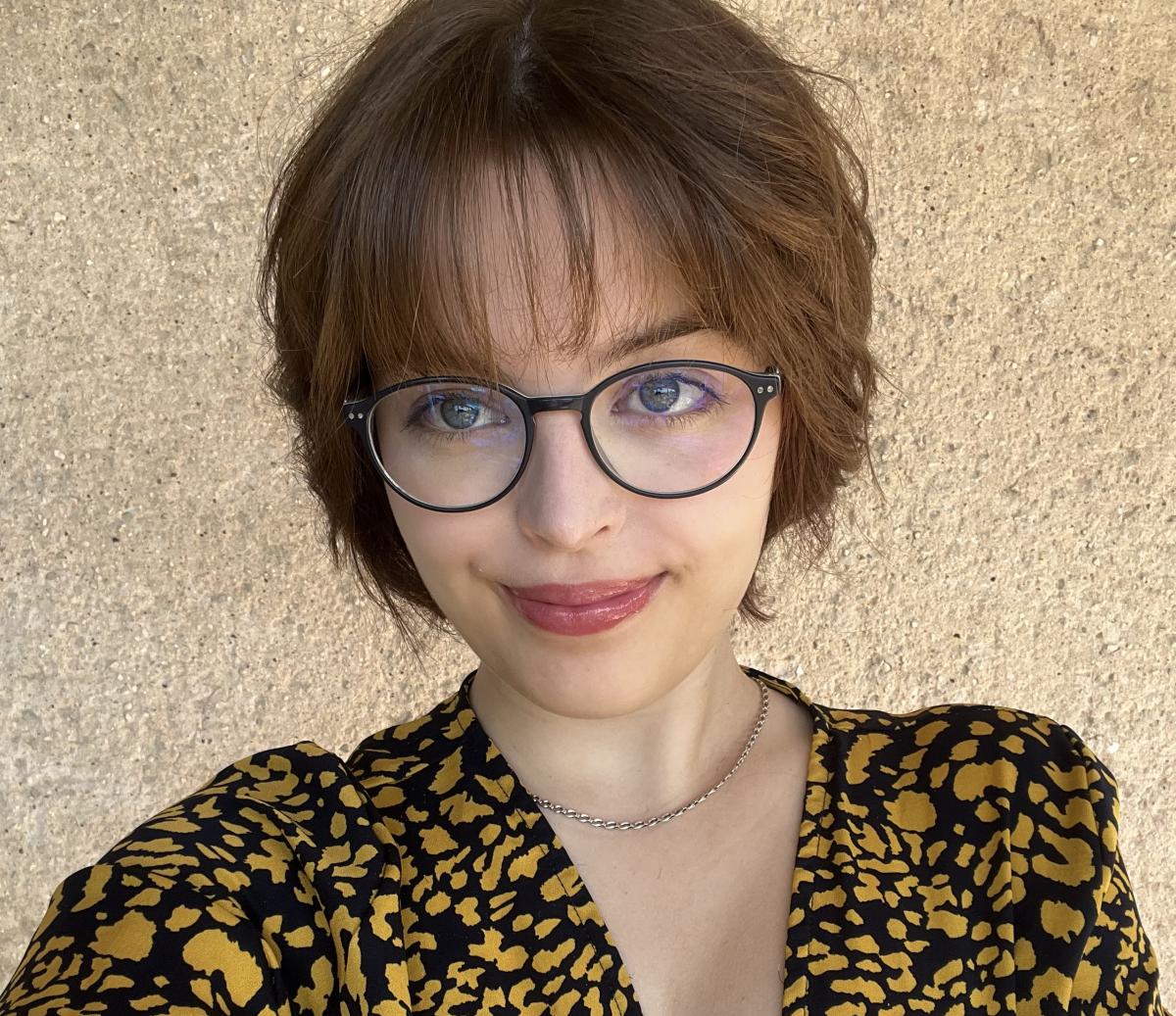
| Hédi Patat (Institute of Political Science and Sociology, UD) |
|---|
|
Hédi Patat is a master’s student in sociology at the Department of Sociology and Social Policy, Institute of Political Science and Sociology, Faculty of Humanities, University of Debrecen. As part of a course examining Hungarian emigration to Canada, she conducted online interviews with first-, second-, and third-generation Hungarian Canadians. |
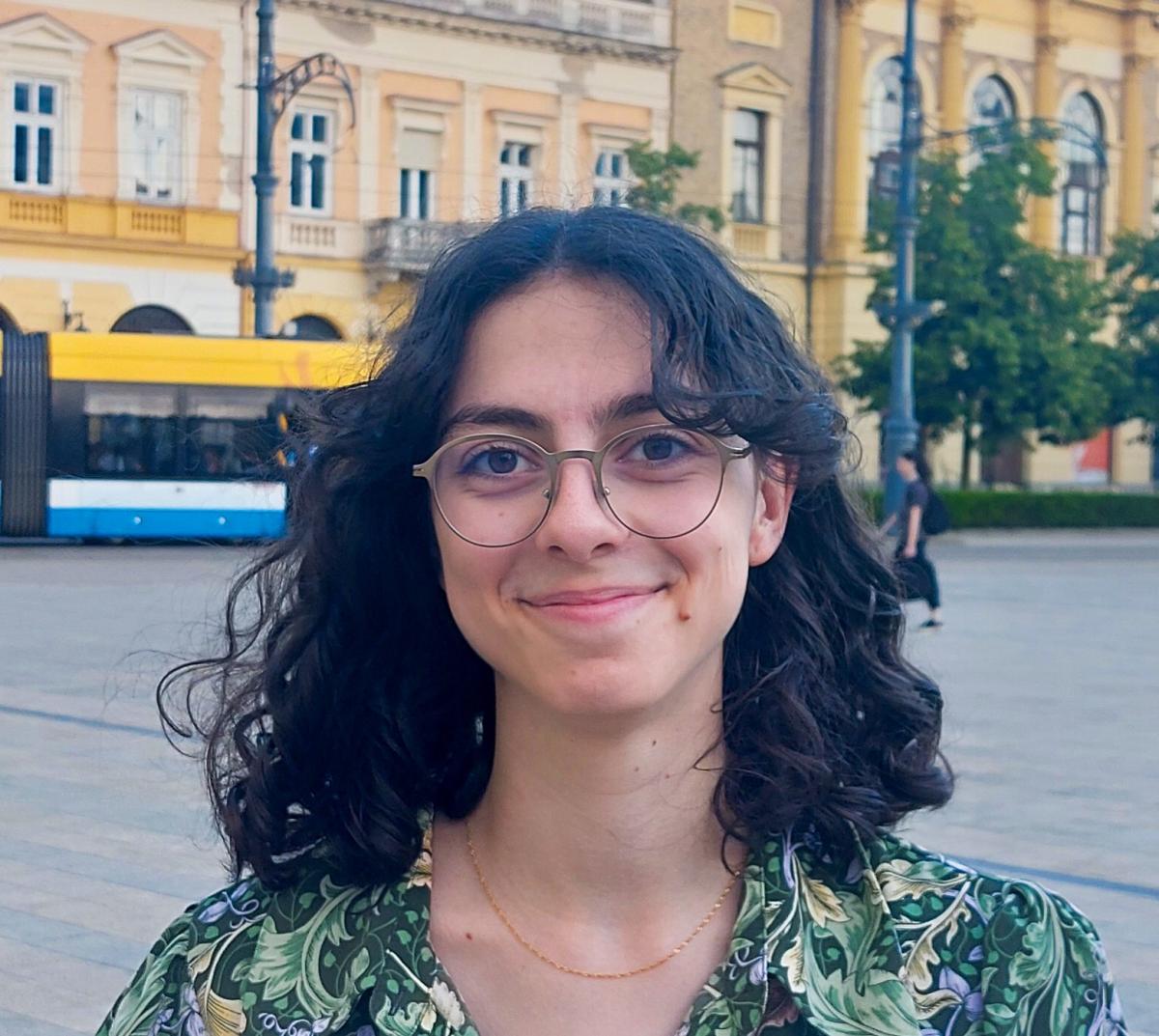
| Janka Kata Radócz (Institute of Political Science and Sociology, UD) |
|---|
|
Janka Kata Radócz is a master’s student in sociology at the Department of Sociology and Social Policy, Institute of Political Science and Sociology, Faculty of Humanities, University of Debrecen. As part of a course examining Hungarian emigration to Canada, she conducted online interviews with first-, second-, and third-generation Hungarian Canadians.. |
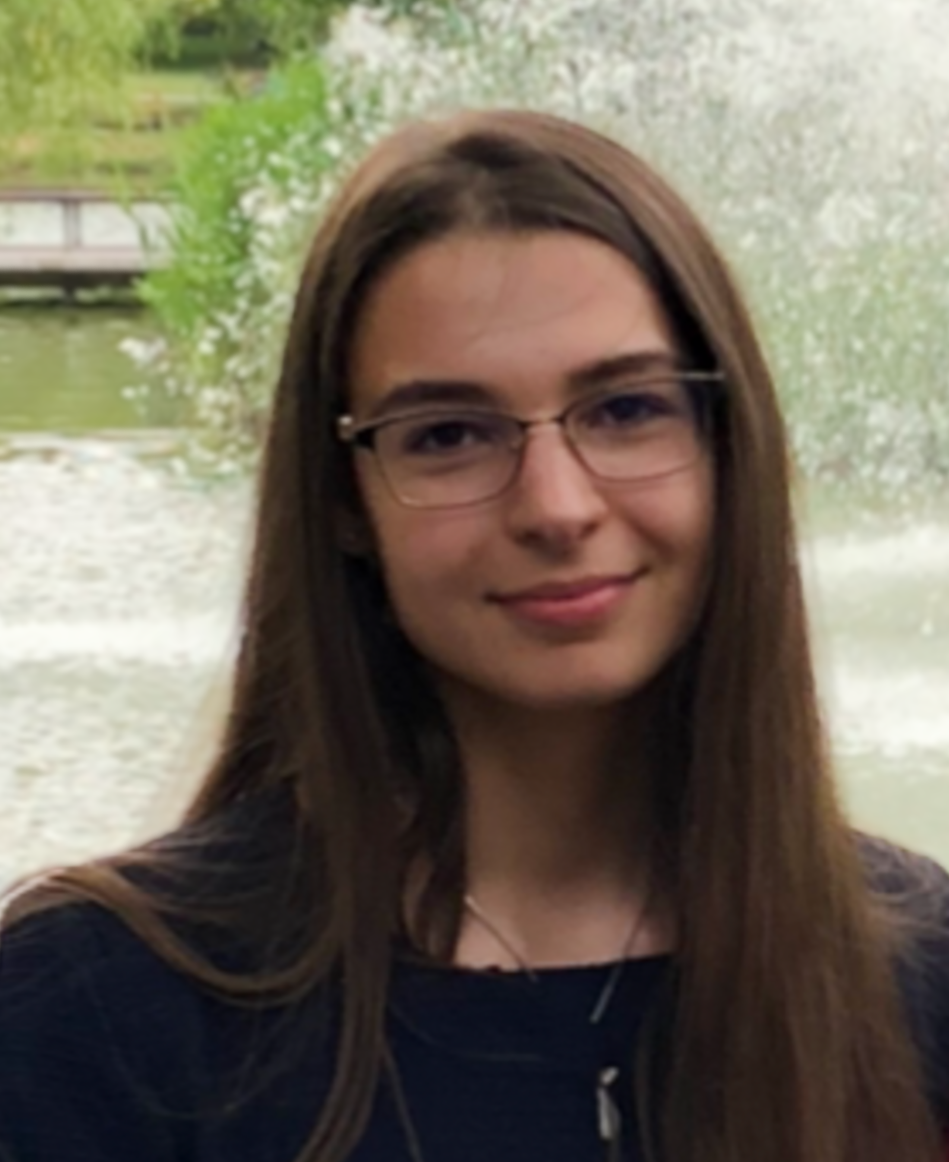
| Fanni Silling (Institute of Political Science and Sociology, UD) |
|---|
|
Fanni Silling is a master’s student in sociology at the Department of Sociology and Social Policy, Institute of Political Science and Sociology, Faculty of Humanities, University of Debrecen. As part of a course examining Hungarian emigration to Canada, she conducted online interviews with first-, second-, and third-generation Hungarian Canadians. |

| Fanni Székely (Institute of Political Science and Sociology, UD) |
|---|
|
Fanni Székely is a master’s student in sociology at the Department of Sociology and Social Policy, Institute of Political Science and Sociology, Faculty of Humanities, University of Debrecen. As part of a course examining Hungarian emigration to Canada, she conducted online interviews with first-, second-, and third-generation Hungarian Canadians. |
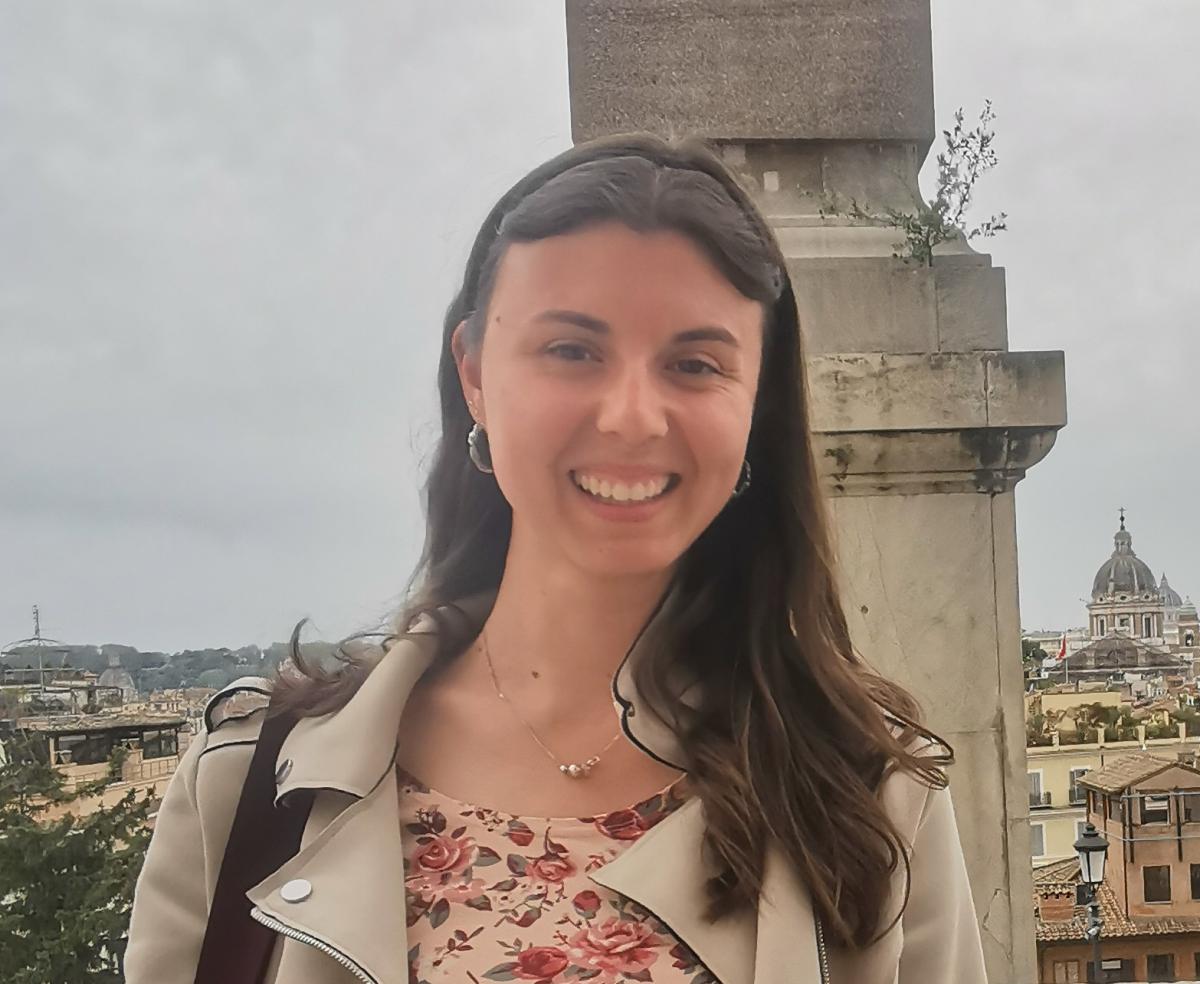
| Zsófia Pletli (Institute of Political Science and Sociology, UD) |
|---|
|
Zsófia Pletli is a master’s student in sociology at the Department of Sociology and Social Policy, Institute of Political Science and Sociology, Faculty of Humanities, University of Debrecen. As part of a course examining Hungarian emigration to Canada, she conducted online interviews with first-, second-, and third-generation Hungarian Canadians. |